


Why I Became a PT (and Why I Chose Neuro)
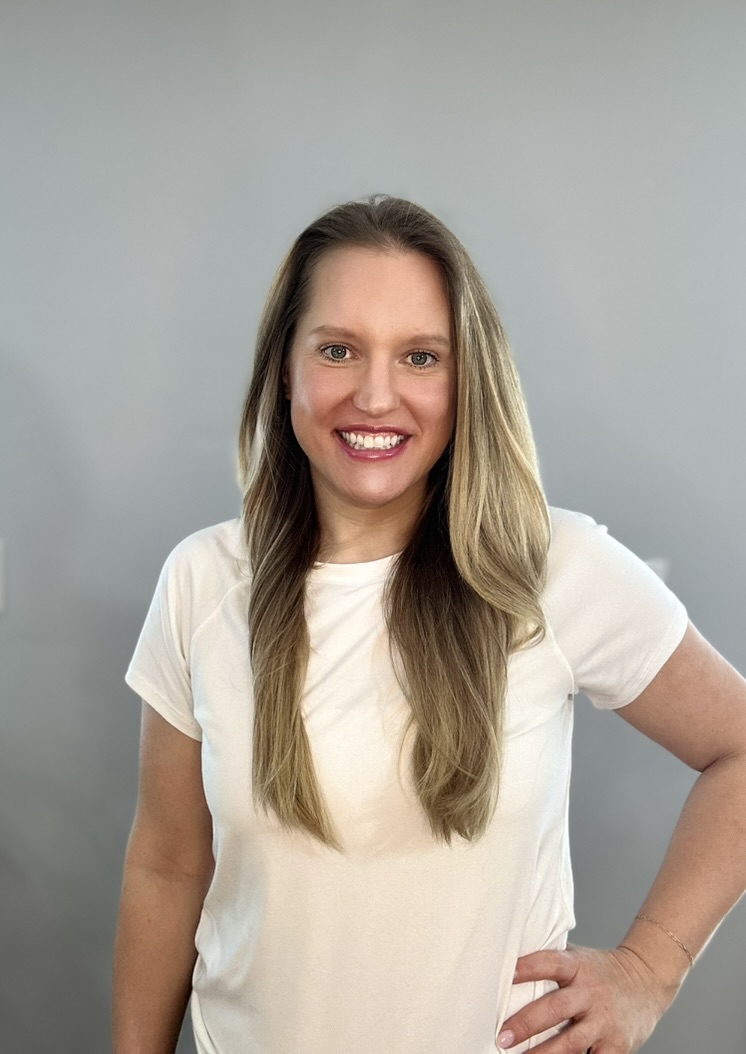
October is National Physical Therapy Month, and every year it makes me think about how I ended up here. So this year I'm telling the whole story, blurry photo and all.
When I was 16, I tore my ACL. If you've never done it, the short version is that your knee stops being trustworthy and your social life gets organized around crutches. I did prehab before surgery and rehab after, which is how I met the PT I still fondly call Auntie Sue.
She was everything I wanted to be. She was happy in a way that made the clinic feel lighter. She knew her stuff cold and explained it so a teenager could follow. She was approachable, which mattered, because I had plenty of questions and a fair amount of attitude. She also challenged me every session. When I hit a goal, she had the next one ready before I finished celebrating.
I didn't have the words for it then, but she was showing me what good care looks like: someone who sees you as a whole person, expects a lot from you, and makes you believe you can deliver. I shadowed her in high school, and by graduation PT school was the plan.
Then I applied and didn't get in. I missed the GPA cutoff by .01 points. One hundredth of a point. I'm a PT, not a mathematician, but I checked that number more times than any reasonable person would.
That year stung. It also gave me something I didn't know I needed: time to be sure. Nobody was forcing me down this road, so taking a year off and still wanting it told me a lot. When I reapplied, I knew exactly why I was going. I wanted this more than anything. I grew more that year than I would have if everything had gone smoothly, and I think about it every time a client hits a setback that feels unfair. A detour can still get you where you're going.
The blurry photo at the top of this post is from my white coat ceremony. The photo quality matches the era. I walked into PT school with the same plan as half my class: become a sports PT and work with athletes. It made sense. I was a former athlete with a rebuilt knee, and my hero did exactly that kind of work.
Then came the neuro semester, and everything changed.
I loved the challenge first. Neurological diagnoses don't follow a neat recovery timeline, and Parkinson's disease and MS can look completely different from one person to the next. Two people with the same diagnosis can need opposite plans.
That's where the creativity comes in, which was the second thing I fell for. Neuro PT asks you to problem-solve constantly. Why does someone freeze in doorways but not in open rooms? Why does balance fall apart when they talk while walking? What will make them want to show up for their exercise on a hard day? There's no copy-paste answer, and I loved that.
The third thing was the impact. In neuro, the goals are life-sized: walking the dog, getting up off the floor, keeping up with your kids or grandkids, staying at a job you love. Helping someone protect those things over years is the most meaningful work I can imagine. The research backs up why it matters. The American Physical Therapy Association's clinical practice guideline for Parkinson's disease recommends aerobic, resistance, and balance training as part of care (Osborne et al., 2022, Physical Therapy). Movement is part of the treatment, and neuro PTs get to help people do it well.
After graduation, my goal was to get as much experience as I could across settings. Over five years I worked just about everywhere except a skilled nursing facility, then settled into a hospital outpatient role where I moved up into leadership. I learned a lot, and I saw how much good the system does. I also saw what care could look like when someone had the time to look at the whole person, the way Auntie Sue did with me. That's what we built NeuroFit Therapy on. Today we see clients virtually and through mobile visits from our home base in Farmington, CT, with an individualized plan for every person and enough time to learn what makes each one tick.
If you're living with Parkinson's disease or MS and wondering whether PT could help, we'd love to be in your corner the way Auntie Sue was in mine. [Book a free discovery call] and let's talk about what you want your life to look like.
A quick note: this post is educational, not individualized medical advice, and it's not a substitute for an evaluation with a licensed physical therapist or your own physician. Everyone's situation with Parkinson's disease or MS is different, and what's safe and effective for one person may not be for another. If you want to talk through your specific situation, we'd love to hear from you.


Comments